
This Is When EastEnders Stopped Self Destructing | eastenders
The rain-slicked, shadow-drenched cobblestones of the contemporary British television landscape have officially transformed into a high-octane theater of absolute psychological devastation and structural volatility this week, as a spectacular narrative shift shatters the pristine veneer of traditional working-class melodrama. Sending an intense, screaming shockwave through millions of dedicated, hyperventilating households across the United Kingdom tuning into the latest broadcasting blocks of late May 2026, the foundational essence of iconic serialized storytelling has been cleanly liquidated by an explosion of hyper-stylized production values, aggressive cinematic over-indexing, and an relentless wave of crime-centric scripts. Wielding an unmistakable weight of prime-time pressure as old organic formatting boundaries are entirely melted away under the intense, blistering glare of high-definition lenses, production bosses have systematically abandoned the gold-standard simplicity of the genre’s origins. At the absolute center of this unfolding creative apocalypse is a dark, reality-altering transformation of the medium’s traditional kitchen-sink realism, forcing a frustrated and desperate audience to look a caked, industrial landscape of overproduced gimmickry dead in the face as a ticking clock of continuous sensory bombardment completely uncouples the nation’s longest-running programs from their remaining stylistic buffering.
This profound atmospheric decay moves in terrifying synchronization with a filtering campaign of raw anxiety operating deep within the local commercial infrastructures of modern television studios, where legacy dramas like Coronation Street have hit a chaotic terminal tripwire on the pavement. The baseline security of the genre’s most loyal purists went completely thermonuclear after executive directors began aggressively leaning on a parasitic network of artificial sound design, booming non-diegetic musical overlays, and hyper-frenetic editing cuts that systematically cannibalize the raw emotional space once reserved for the actors’ physical anatomy. Instead of relying on the timeless power of two complex human beings locking eyes inside a dimly lit room to deliver a devastating slice of authentic life, contemporary network blocks are being publicly mocked across global media platforms for hiding behind a dense, suffocating smoke screen of high-end Hollywood aesthetics. This intense mechanical overcorrection has left a hyperfocused fanbase completely uncoupled from reality on the asphalt, frantically crying out for a return to the foundational basics of character-driven dialogue while network chiefs continue to treat genuine theatrical stillness as absolute narrative garbage that must be castrate by the next high-retention post-production suite.
The layout of this television warfare takes an extraordinarily complex, visceral turn across the competitive scheduling perimeters because this frantic pursuit of blockbuster adrenaline has plunged the northern cobbles straight into a claustrophobic, crime-ridden sludge that refuses to evaporate into the night. Slicing through the quiet, domestic sanctuary of everyday community life, writing rooms have aggressively trapped their long-term residents inside a continuous, zero-filter matrix of underworld violence, forensic corruption, and maximum-security betrayals that leaves the genre’s traditional warmth balancing dangerously on a sub-zero knife’s edge. This high-velocity structural descent into systematic bleakness has completely rewired the environmental temperature of the serial format, transforming what was once a light-hearted haven of regional wit and maternal endurance into a high-octane prison of pure adrenaline. By treating the quiet struggles of working-class survival as an insufficient narrative currency, production teams have backed themselves into a dangerous, high-altitude corner, forcing an emotionally uncoupled audience to sit with a unrelenting onslaught of local terrorism that threatens to permanently incinerate the remaining community firewalls before the final summer sweeps commence.
Compounding this panoramic atmosphere of stylistic ruin and calculated soap opera martyrdom is the haunting, generational memory of how this exact brand of radioactive, hyper-violent narrative pacing previously cannibalized the native infrastructure of rival networks like BBC One’s EastEnders. Fandom communities are erupting into an absolute state of real-time panic as they draw direct, forensic parallels between Weatherfield’s current identity crisis and the dark, unyielding era of peak Walford toxicity that dominated screen arrays during the notorious Gray Atkins serialization block. That bleak chronological window drop-shipped an absolute atomic bomb onto the canvas, trapping national audiences within a relentless, multi-front cycle of serial executions, dark psychiatric gaslighting campaigns, and unhinged domestic terror that was heavily exacerbated by the volatile, dangerous liability of the bad-boy Ben Mitchell era and the toxic, vigilante-justice crusade of a compromised Martin Fowler. The psychological pressure cooker of that dark and broody period redlined exponentially for multiple years on the pavement, serving as a terrifying historical blueprint that proves with an unmatched authority that when a serial narrative trades its fundamental human soul for a permanent, low-frequency obsession with gangland retribution, the entire cultural architecture of the neighborhood is left irreversibly scarred in its wake.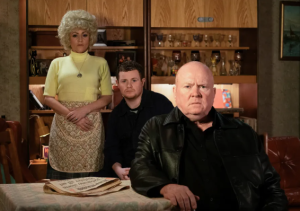
Ultimately, as the suffocating twilight of late spring 2026 establishes its permanent, unyielding grip over the weekday evening network schedules, the global entertainment community remains entirely suspended over an absolute abyss of breathless suspense, watching the slow-motion deconstruction of a nation’s cultural trust. The breathtaking pacing of this slow-burn industry masterpiece excels by demonstrating that when the currency of character growth, sharp regional dialogue, and authentic human intimacy is completely bankrupt by the pursuit of cheap shock tactics, the true cost of surviving the ratings war will demand a total submission to the forces of creative evolution before a permanent protective firewall can be secured around the genre’s legacy. Viewers are left to pace their living room floors until 3:00 a.m. on pure adrenaline and intense curiosity, frantically analyzing whether modern television executives will successfully execute a strategic retreat back to the character-driven basics that defined British television for over six decades, or if the impending chemical explosion of courtroom melodrama, over-edited spectacles, and forensic sludge on the wet cobblestones will leave the genetic layout of these iconic networks permanently and irreversibly altered in its wake as the final credits prepare to roll on an absolute masterpiece of prime-time anxiety.