

Who Is Tracking Sam? Roy’s Shocking Discovery | Coronation Street
The cobblestones of Weatherfield are currently slick with a toxic mixture of paranoia and unspoken guilt as the high-octane mystery surrounding Sam Blakeman transforms from a localized struggle into a terrifying, visceral exploration of childhood trauma and external surveillance. In a sequence of events that has fundamentally altered the brain chemistry of every loyal viewer, the May 13th, 2026, episode of Coronation Street served as a masterclass in psychological drama, peeling back the layers of Sam’s fractured reality until the terrifying truth was laid bare: he isn’t just fighting the monsters in his head—he is being hunted by a real one. The atmospheric tension reached a breathtaking breaking point when Roy Cropper, acting as the unexpected lighthouse in Sam’s sea of distress, discovered a physical tracking device hidden inside the teenager’s school bag. This chilling revelation effectively dismantled the “Zero-Footprint” theory that Sam’s behavior was merely the product of his own PTSD following the grooming ordeal with Megan Walsh; instead, it confirmed that an invisible predator has been monitoring his every move, turning his paranoia into a justified, high-stakes fight for survival that has left the audience in a state of absolute, breathless arrest.
The psychological landscape of this “Who Done It” reached a thunderous peak in the narrow, suffocating confines of a local ginnel, where a boy pushed past the point of exhaustion finally snapped. After weeks of fleeing from visions of Will Driscoll and shrinking from a world he no longer trusts, Sam’s decision to lash out—to fight a shadow—was a manifesto of pure, unadulterated desperation that signaled a permanent shift in his character arc. It was not a violent spectacle of shock value, but a quiet, devastating manifestation of a child whose grip on reality has been methodically eroded by a predator who thrived on silence and manipulation. The dramatic irony is suffocating; while his family, Nick and Toyah, watched him through the bistro’s CCTV—misinterpreting his genuine distress as a simple phase of teenage angst—they were witnessing the outward expression of a boy who has been pushed to the absolute edge of his emotional endurance. This is a narrative of profound urgency, where every interaction is loaded with double meanings, and the discovery of the tracking device serves as a rhythmic trigger that forces the adults of the street to finally acknowledge that the danger to Sam is not just internal, but a tangible, external threat that demands an immediate response.
While Sam fights the ghosts of his own trauma, Tim Metcalfe has emerged as a beacon of dignified truth, finally reclaiming his power in a confrontation that was years in the making. By looking Trisha Marlo in the eye and naming her actions for what they were—the calculated, predatory abuse of a fourteen-year-old boy—Tim effectively performed a digital execution of the secret that has haunted his adult life. There were no overblown dramatics in this scene; instead, the stillness of the moment carried more weight than a thousand shouts, proving that the process of healing is not a dramatic showdown but a quiet, agonizing reclamation of one’s own narrative. This thread serves as a vital mirror to Sam’s journey, demonstrating how the invisible damage of groomed youth can metastasize into the paranoia and self-doubt that now plagues the younger boy. Tim’s bravery in the face of his past is the anchor that will likely hold the household together as they pivot from a domestic drama into a high-stakes investigation of the tracking device, serving as a visceral reminder that in Weatherfield, the ghosts of the past have a funny way of clawing their way back to the surface at the absolute worst possible moment.
The atmosphere in the bistro and the precinct is currently a pressure cooker of suspicion, as the police investigation into Theo Silverton’s murder stalls amidst the mounting pressure on Gary Windass, whose deleted CCTV footage has left the authorities hitting a literal wall. The discovery of the tracking device in Sam’s bag has shifted the narrative focus away from the typical “whodunit” tropes and toward a terrifying, intimate threat that suggests the predator is someone close, someone watching, and someone who knows exactly how to exploit Sam’s existing trauma to drive him toward a total psychological collapse. Fans are currently on fire, dissecting every frame of the CCTV footage and debating whether Megan Walsh is orchestrating this final act of intimidation from behind the scenes, or if a more sinister, unexpected party has entered the fray to capitalize on the chaos. The tension of the ongoing arson investigation, with the police now collecting physical evidence like scaffolding poles from the builder’s yard, ensures that the pressure on the street is reaching a fever pitch, creating a world-ending tea that is being served piping hot to a viewership that refuses to look away.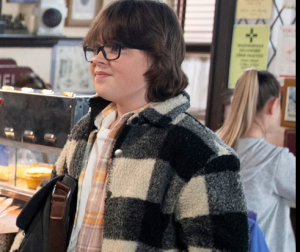
Ultimately, the overarching message for the drama-obsessed icons of Weatherfield is that the nightmare for Sam Blakeman is only just beginning, and the fallout of this discovery is going to be absolute. We are witnessing a mastery of soap suspense where the real predator is the history you can’t outrun, and the only way to survive is to abandon the silence that keeps these monsters in power. Whether Roy’s discovery of the tracker will serve as the catalyst that finally forces Nick and Toyah to move from discussion to reality, or if the “mustache energy” of the unknown watcher will strike a final, lethal blow to Sam’s sanity, remains the burning question of the season. As the credits roll and the drums beat, the viewers are left deceased with anticipation, perfectly captured by the chilling realization that in the world of daytime drama, some secrets are more lethal than the physical tracking devices used to record them. Stay chaotic and trust no one, because in 2026, the most dangerous thing you can own on the cobbles is the knowledge that someone is always watching, and the only way to break the cycle is to turn the light on the shadows where the monsters hide.