

EastEnders- Lauren worries about Mark and asks him if he’s in some sort of trouble
The atmosphere within the cluttered, oil-stained confines of the garage has become an arena of psychological attrition, where the mundane mechanics of commerce—buying, fixing, and selling—serve as a fragile screen for the deep, fracturing anxieties consuming Mark’s life. When Lauren bursts into the workspace, her voice cutting through the silence like a jagged blade, the confrontation is not merely about a missed phone call or an unanswered text; it is a desperate, forensic investigation into the vanishing credibility of a man who is clearly spiraling out of control. Mark’s defensive posture, framed by the physical exhaustion of an alleged all-nighter, is a transparent performance that fails to withstand Lauren’s intuitive, razor-sharp scrutiny, revealing a man who is terrified that any lapse in his narrative will expose the cavernous, debt-ridden reality he is desperately trying to conceal. The friction between them is palpable, a collision of two worlds: one that demands the rigid, predictable accountability of “getting sorted” and “checking boxes,” and another that exists in the desperate, shadowy margins of broken promises and escalating stakes. As they spar over the provenance of the cars and the legitimacy of his sudden, frantic work ethic, the garage transforms from a site of labor into a pressure cooker where every word is a weapon, and every attempt at nonchalance only serves to deepen the suspicion that Mark is not just “flat out,” but rapidly approaching a terminal point of collapse.
The brilliance of their exchange lies in the way it weaponizes the intimacy of their shared history against the cold, transactional nature of their current conflict, forcing the audience to witness the agonizing intersection of concern and coercion. Lauren’s persistence, fueled by the intuitive, “gut-feeling” knowledge that something is fundamentally “off” about his recent behavior, acts as a mirror that Mark is terrified to look into, reflecting a version of himself that is untethered, reckless, and perilously close to ruin. His dismissal of her worry as merely the typical, tiresome “impression” of a concerned sister is a masterclass in deflection, a desperate attempt to weaponize the normalcy of family dynamic to obscure the grotesque, escalating dysfunction of his actual circumstances. There is a profound, albeit heartbreaking, irony in his insistence that she cannot help because there is “no trouble,” a lie so thin that it only serves to validate her deepest, most paralyzing fears—fears that are mirrored by the unvoiced anxieties of his sister, creating a suffocating, collective sense of dread that is rapidly tightening around the household.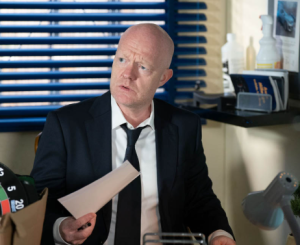
As the conversation shifts from the mechanical failure of the motors to the systemic failure of Mark’s own reliability, the garage becomes a claustrophobic cage where the walls of his lies are visibly closing in, leaving him with no room to maneuver or retreat. The defensive wall he erects—that “you sell the cars and I fix them” boundary—is a pathetic, flimsy attempt to reclaim a professional dignity that has already been hollowed out by the weight of his secret burdens and the encroaching shadow of his own professional and personal obsolescence. The audience is forced to witness the painful, agonizing spectacle of a man trying to convince himself as much as his interrogator that he is still in command of his own trajectory, while his trembling hands, his erratic focus, and his reflexive hostility tell a story of a life that is currently burning at both ends. This is not just a business dispute; it is a desperate, public-facing evacuation of his own integrity, as he tries to outrun the consequences of his actions with the same frantic, doomed intensity he applies to the “all-nighters” that leave him “sparked out” in the dust of his own shattered routine.
The tragedy of this encounter is underscored by the way it isolates Mark, pushing him further into the corner of his own pride while Lauren, his would-be savior, is reduced to the role of a powerless, anxious witness to his slow-motion self-destruction. Her offer of help, delivered with the genuine, gut-wrenching warmth of a person who is truly terrified, is met with an aggressive rejection that seals his fate, effectively closing the last, exit door that might have led him away from the precipice of ruin. This isn’t just about the money, or the “punters,” or the legitimacy of the paperwork; it is about the corrosive, generational trauma of a man who believes that vulnerability is a terminal weakness and that silence is the only legitimate language of survival. As the dialogue fades and the reality of his isolation continues to fester, the audience is left with the chilling, undeniable certainty that Mark is no longer fighting a war against his debts, but a war against his own, crumbling identity—a war he is destined to lose because he has already abandoned the truth that is the only potential weapon he has left. 
Ultimately, we are bearing witness to the death of the facade and the agonizing, slow-burn birth of a catastrophe that will inevitably leave no corner of the family untouched. The garage, once a place of relative, mechanical safety, has become the site of his public undoing, a testament to the fact that secrets in a world this small are like asbestos in the walls—they rot the structure from the inside out, silently and lethally, until the entire edifice is ready to come crashing down. As the final, defiant words of “there’s nothing to worry about” hang in the air like a taunting, hollow promise, the audience is left to grapple with the realization that the catastrophe has already arrived, hidden behind the mask of an ordinary, busy workday. The stage is set for a climax of devastating proportions, and as they prepare to face the consequences of their pride, the viewers are left waiting with bated breath to see if they can ever truly reconcile their ambitions with the cold, hard reality of their failure, or if they are doomed to repeat their cycle of destruction until there is nothing left to salvage. Their lives, much like the “old motors” they deal in, are breaking down in real-time, and the realization that they can no longer keep the engines running is the most profound, and most necessary, truth they are about to be forced to face, leaving us to watch in breathless, horrified anticipation as the illusion of their stability is finally, and permanently, stripped away.