
Very Sad News Coronation Street Shocking Revelation Roy’s Rolls Pie Taking a Wallet-Crippling Turn!
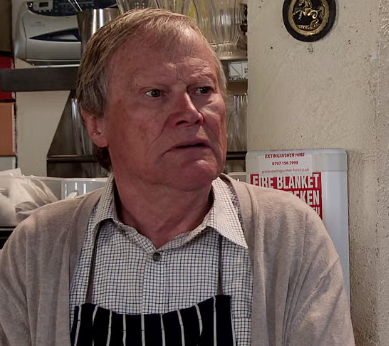
The enduring, rain-slicked cobbles of Weatherfield have weathered decades of explosive secrets, devastating tram crashes, and heartbreaking departures, but a staggering economic revolution has quietly staged a coup inside the community’s most sacred sanctuary. For nearly thirty unyielding years, Roy’s Rolls has stood as the definitive, grease-stained beating heart of the ITV soap opera, offering a fiercely loyal clientele an unchanging menu of comforting British staples, from piping-hot fried breakfasts to towering sandwiches and traditional mugs of tea. It is a legendary refuge where the eccentric, carded-fiancé-turned-widower Roy Cropper, brought to sublime life by David Neilson, has fiercely protected the working-class community from the harsh, cold realities of the outside world. Yet, following a terrifying, smoke-logged arson attack earlier this year that threatened to permanently extinguish the establishment, a new and deeply unsettling horror has risen directly from the ashes of the devastation. While a heroic Roy managed to successfully rescue his fragile skin and a handful of priceless mementos from his iconic marriage to the late, deeply missed Hayley Cropper, the subsequent grand reopening of the establishment has unleashed an absolute shockwave of pure capitalistic fury across the community. The physical interior of the backstreet hub may appear deceptively untouched by the tragedy—exactly as its rigid, traditionalist owner proudly intended—but a closer, more cynical inspection of the establishment’s freshly written blackboard has left the entire nation staring in absolute, jaw-dropping disbelief.
The source of this unprecedented, widespread public outrage centers squarely upon the legendary, deeply revered special of the day: a humble, steaming plate of traditional meat pie, thick-cut chips, and vibrant mushy peas. For years, this exact dish served as the ultimate, budget-friendly culinary lifeline for the cash-strapped residents of the street, retailing at a remarkably modest, ultra-affordable entry point of just five pounds and fifty pence. However, the freshly painted, post-disaster specials board has dramatically unveiled a cutthroat new reality, violently skyrocketing the cost of this staple comfort food to a staggering six pounds and ninety-five pence. This abrupt, uncharacteristic financial ambush represents an aggressive price hike of more than twenty-five percent, a ruthless economic shift that has sent devastating ripples of shock through the global soap opera fandom. Loyal viewers, completely accustomed to Roy representing the absolute pinnacle of moral integrity and community socialist values, have taken to social media in droves to voice their profound, theatrical betrayal. The digital landscape has instantly erupted with dramatic declarations that the beloved, mild-mannered cafe owner has officially joined the ranks of the predatory global one percent, with shell-shocked fans furiously arguing that charging such exorbitant prices for frozen peas and standard pastry is nothing short of highway robbery, aggressively importing the inflated, cutthroat pricing of central London directly into the heart of a working-class northern neighborhood.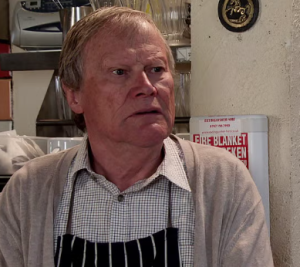
The sheer dramatic weight of this sudden, polarizing tariff adjustment has ignited a fierce, widespread conversation regarding the total, unyielding gentrification of Weatherfield, signaling that a single catastrophic fire has magically transformed a traditional greasy spoon into a pretentious, modern gastropub. Disgruntled fans have loudly quipped on Reddit and X that Roy clearly believes he is opening a high-end, artisan establishment in the trendy, affluent suburbs of Didsbury, mockingly predicting that the iconic character will soon begin charging astronomical prices for small slices of artisanal sourdough toast and avocado. This economic escalation feels particularly jarring when viewed through the grand, historic lens of the street’s rich television heritage, where the backstreet cafe setting has remained an absolute, near-permanent structural fixture of community life for generations. Long before Roy Cropper ever stepped behind the counter in 1995 as a quiet, peculiar employee, Dawson’s Cafe on Rosamund Street fed the neighborhood in the late 1970s, before the entrepreneurial Jim Sedgwick aggressively purchased the premises to birth the legendary Jim’s Cafe. That historical iteration was masterfully steered through years of domestic drama and high-stakes neighborhood gossip by his vibrant wife Alma and the iconic Gail Tilsley, setting a timeless precedent for affordable, down-to-earth community dining that Roy eventually inherited, rebranded, and physically relocated to Victoria Street in 1999, making this sudden capitalistic betrayal feel like a direct assault on the very soul of the show.
Yet, in a bizarre, profoundly surreal twist of television economics, this devastating inflationary nightmare at Roy’s Rolls stands in sharp, hilarious contrast to the ridiculously cheap, parallel universe operating just a few doors down at the Viaduct Bistro. While Roy ruthlessly taxes his customers for basic mushy peas, Nick Tilsley’s sophisticated, high-end restaurant—which has operated under various glamorous guises since 2010—is apparently staging a magnificent, hyper-affordable cocktail revolution that defies all known laws of modern British commerce. A brief, accidental glimpse of the Bistro’s official beverage menu flashed across television screens, leaving eagle-eyed soap fans absolutely spellbound by a series of prices that feel entirely frozen in a bygone era of prosperity. A classic, premium Mojito cocktail is currently being offered to the stressed-out locals for a mind-bogglingly cheap five pounds and fifty pence, a price point that, in the brutal economic landscape of contemporary Britain, represents nearly half of what a real-world establishment would demand. Equally impressive and wildly unrealistic is the presentation of an elegant Apple Martini, available for a mere five pounds and seventy-five pence, while the exotic, rum-infused Viaduct Vista—a luxurious, tropical blend of coconut cream and pineapple juice—is priced identically, offering the local residents a dirt-cheap escape from their chaotic lives. 
This shocking financial disparity across the cobbles has plunged the Coronation Street fandom into a state of deep nostalgia and intense comedic debate, with hundreds of fans jokingly demanding to immediately relocate to a universe where a night out remains affordable. Social media commentators have pointed out that stepping into the Viaduct Bistro feels like an intoxicating, comforting time machine back to the mid-1990s, while others have realistically deduced that the menu’s frozen pricing structure is likely a direct result of production designers failing to update the show’s graphic props since the historic title sequence refresh of 2010. This glaring juxtaposition between Roy’s inflationary greed and Nick’s charitable mixology has added a brilliant, highly engaging layer of meta-commentary to the viewing experience, transforming everyday set dressing into a source of endless fascination. As the community continues to navigate the devastating emotional fallout of fires, affairs, and incoming criminal trials, it is these subtle, deeply relatable shifts in the cost of living that truly ground the long-running serial drama in the hearts of millions. Whether Roy Cropper is genuinely morphing into a ruthless, capitalist tycoon or simply trying to survive the crippling costs of post-fire property maintenance remains a burning mystery, but one definitive truth echoes from the Rovers Return to the edges of Victoria Street: capitalism has officially conquered the cobbles, and the price of comfort has never been higher.